
SuperApp Architecture & Mini-Programs
How our team evolved a rigid telecom app into modular pieces, helping us launch new features in days instead of waiting months for app store updates.
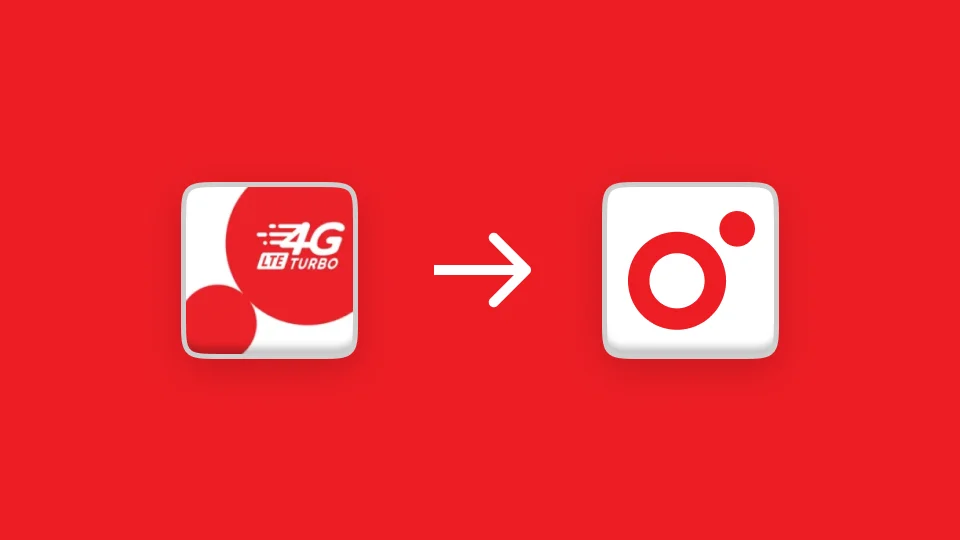
Evolving a rigid telecom app into a modular SuperApp runtime.
1. Challenges
- Single-purpose foundation: The original app was designed mainly to check SIM balances. The mobile wallet, payments, and entertainment services lived in separate apps that were not connected.
- Balancing team priorities: Commercial teams, digital squads, and customer care all needed space on the home screen for their users, which was hard to balance in a fixed layout.
- Slow update cycles: In the past, updates depended heavily on outside agencies and full app store reviews. This often took months, making it tough to test new ideas quickly.
- Protecting core revenue: While we wanted to experiment with new digital services, we had to make sure core SIM top-ups—the company’s main revenue stream—stayed completely stable.
- Building shared consensus: With many teams involved, moving to a modern setup meant aligning goals across different departments and leadership.
2. Impact
- Much faster shipping: Helped the team cut regular app release cycles down from months to around 6 weeks.
- Instant updates: Teams could update banners, promo cards, and home screen layouts through a CMS without waiting for app store approval.
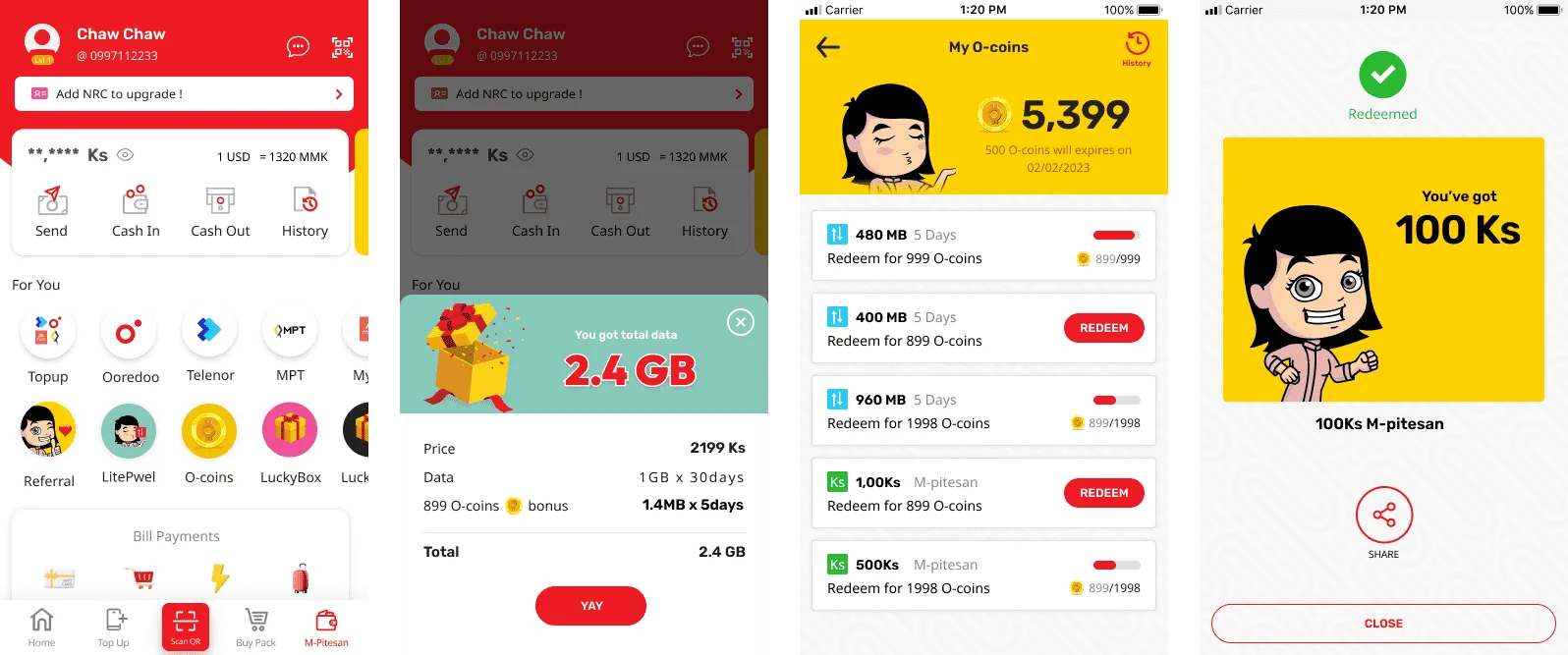
- Flexible data packs: Commercial teams could test and launch new data offers on the fly without needing custom engineering work.
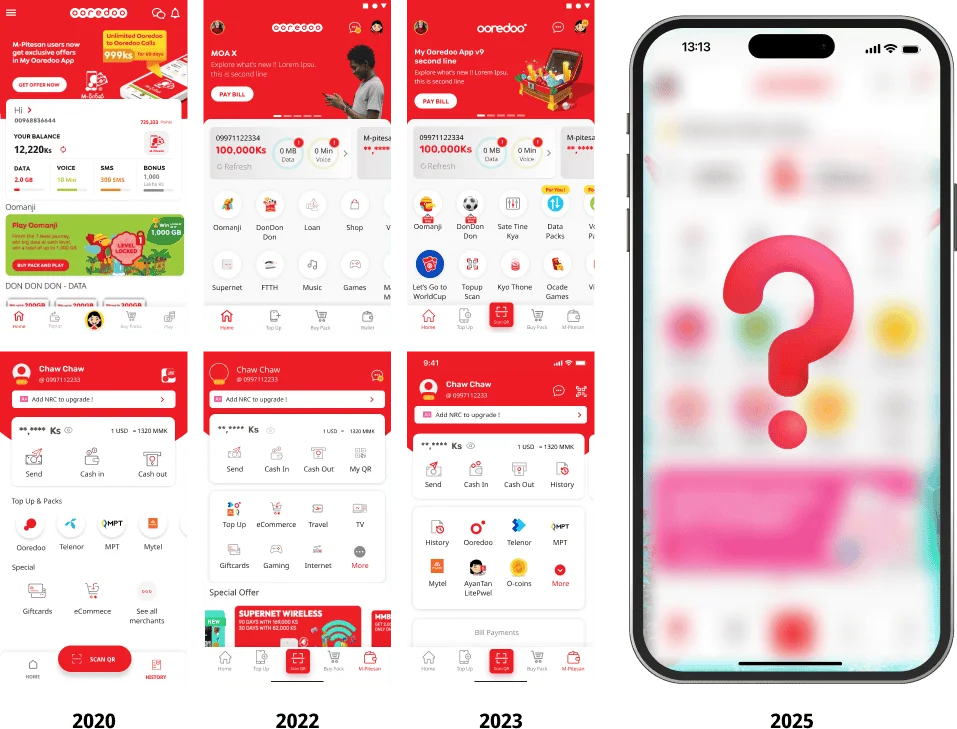
- A unified platform: Successfully grew the app from a basic account checker into an all-in-one SuperApp for phone plans, payments, games, and services.
3. What I Did
Working alongside our engineering leads and product managers, my role focused on the UX architecture, interface design, and connecting business goals with technical constraints:
- Modular Screen Design: Helped structure the app into independent modules so new features could be added without touching core SIM functions.
- Unified Checkout Journey: Partnered with the wallet and backend teams to connect balance top-ups, mobile wallet, and scratch cards into a single clear checkout flow.
- Mini-Program Framework: Designed the UX framework for lightweight web applets, allowing squads to launch new mini-services overnight.
- Dynamic Card System: Built a card-based home screen layout driven by our CMS, letting marketing organize sections based on user habits.
- Simpler Pack Discovery: Redesigned how customers browse and buy data packs, making options clearer and purchase faster.
- Design-to-Code Alignment: Created shared UI components and design specs to help our developers ship interfaces smoothly without guesswork.
4. Additional Showcase
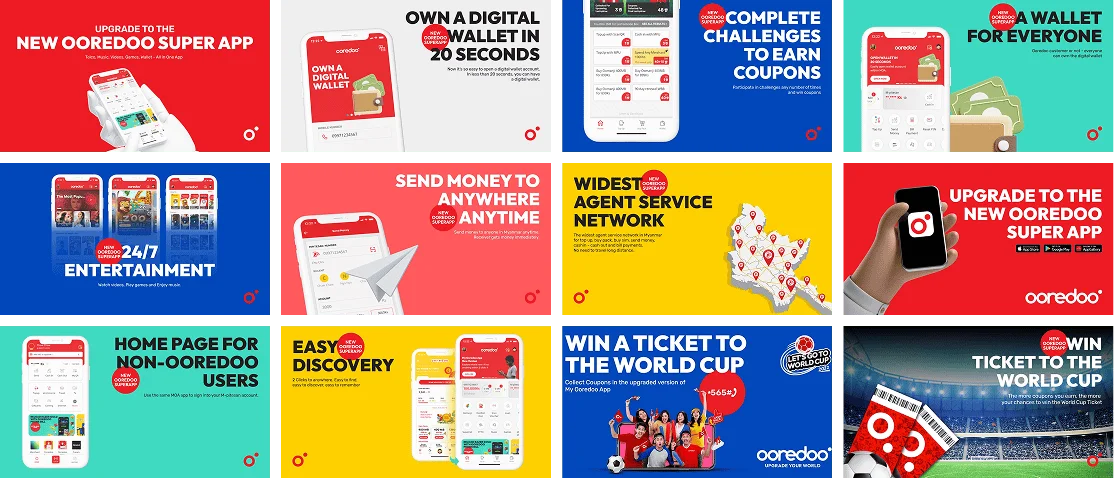
Related Deep-Dives
 Sep 15, 2026
Why Custom Apps Cost More Than People Expect
Understanding the real costs behind building software: team salaries, the challenge of building alone, and why an app is an ongoing commitment.
 Sep 15, 2026
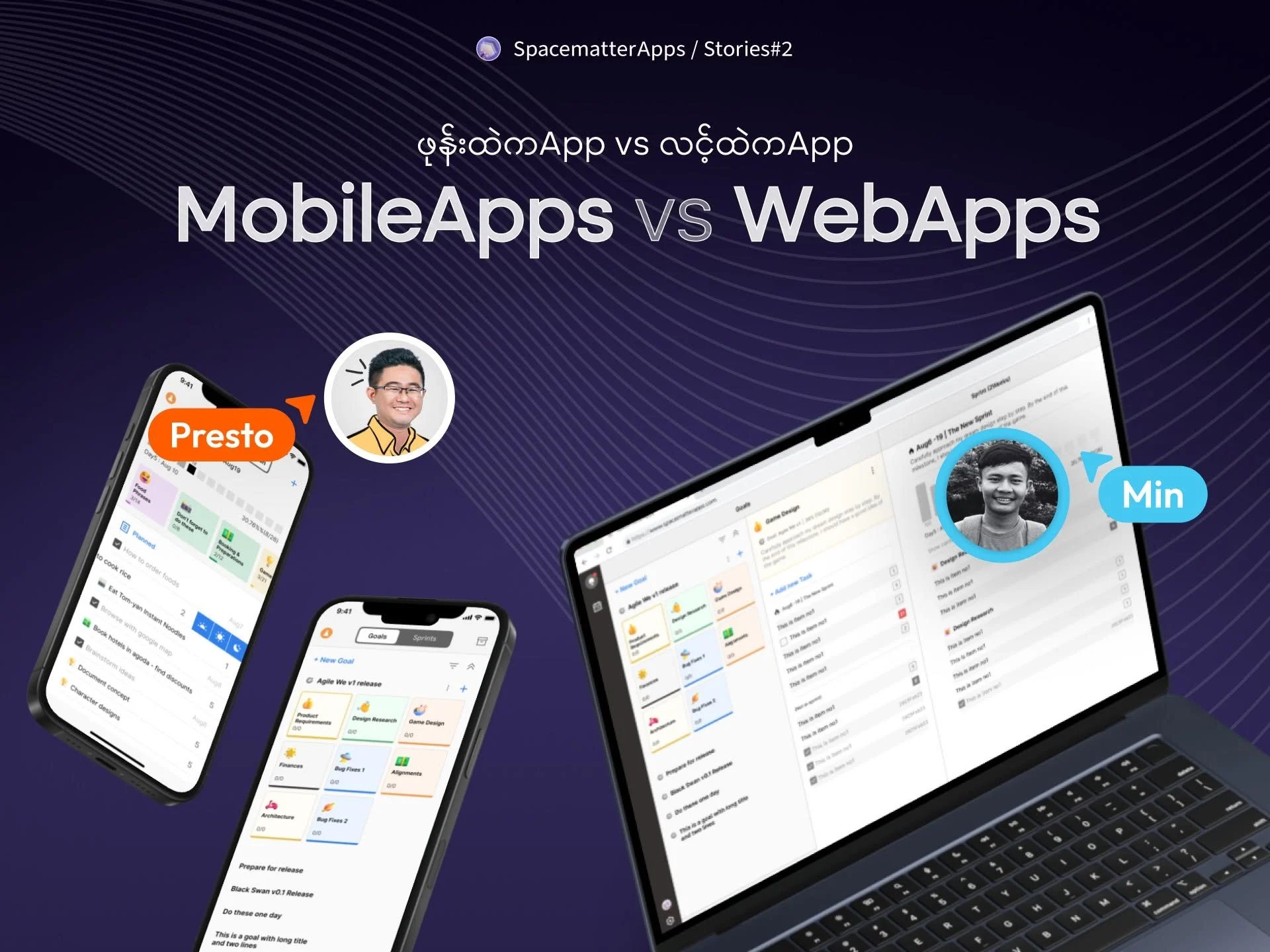
Mobile App vs. Web App: What Founders Need to Know
Understanding the real differences between an app you download from the store and an app that runs in your browser.
 Aug 15, 2025